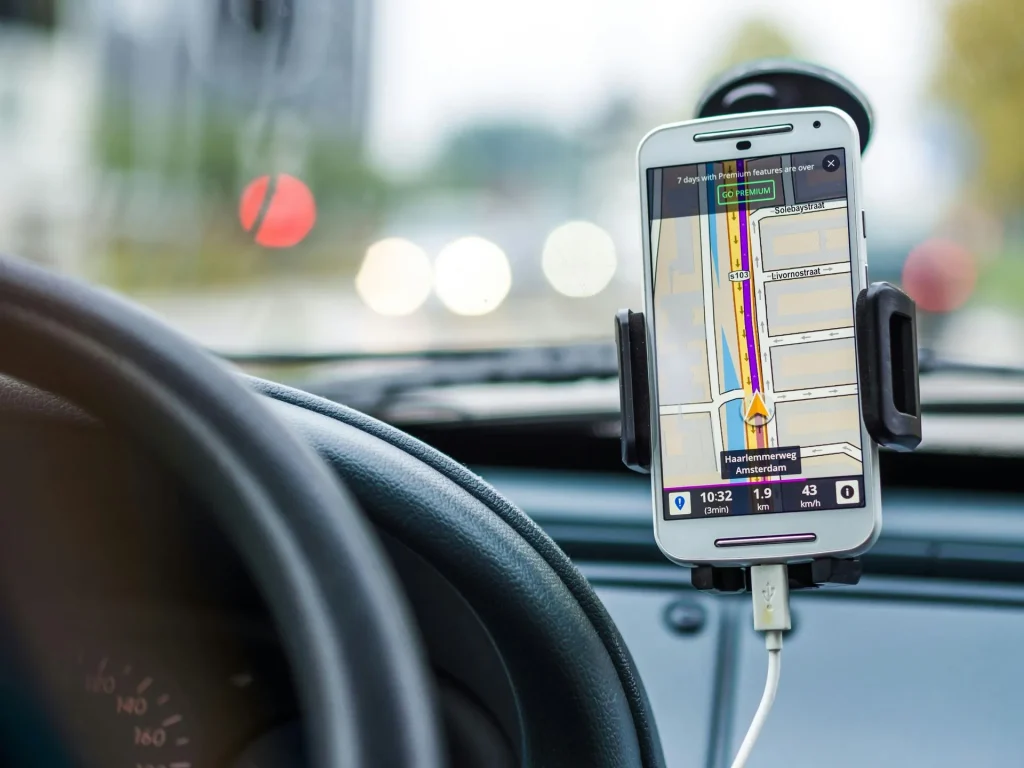
Quick Answer: To merge onto the freeway, check traffic early as you enter the on ramp, signal, and accelerate so you reach the speed of freeway traffic before the ramp ends. Use your mirrors and a quick shoulder check to find a gap, then ease into the lane smoothly. Avoid stopping on the ramp unless traffic forces you to.
Ask any new driver in Los Angeles what scares them most, and the answer is usually the same: the freeway. Surface streets in Inglewood feel manageable. Then the on ramp to the I 405 or I 105 appears, traffic is moving at 65 miles per hour, and suddenly you have a few seconds to find a space.
The good news is that merging is a skill, not a talent. It follows a predictable sequence, and once you understand why each step matters, it becomes routine. This guide walks through that sequence, explains California rules like ramp meters and carpool lanes, and covers the mistakes instructors see most often.
What Does Merging onto the Freeway Mean?
Merging is the process of moving from an on ramp or acceleration lane into the flow of freeway traffic. The goal is to join that traffic at a similar speed so other drivers do not have to brake hard or swerve around you.
A few terms worth knowing:
- On ramp: the road that leads you from a surface street onto the freeway.
- Acceleration lane: the stretch at the end of the ramp that runs beside the freeway, giving you room to speed up and find a gap.
- Ramp meter: a traffic signal on the on ramp that releases cars one at a time to reduce congestion.
- Gap: an open space between vehicles in the lane you want to enter.
- Blind spot: the area beside and slightly behind your car that your mirrors do not show.
How Do You Merge onto the Freeway Step by Step?
Plan early, match speed, find a gap, and move in smoothly. Here is the full sequence instructors teach:
- Read the signs before the ramp. Know which freeway and direction you need, such as I 405 North toward Santa Monica, so you are not deciding at the last second.
- Glance at freeway traffic as you start up the ramp. Many LA ramps give you a view of the lanes before you join them. Note how fast traffic is moving and how heavy it is.
- Turn on your signal early. This tells freeway drivers you intend to enter.
- Accelerate firmly on the ramp. Your target is the speed of the traffic you are joining, not the ramp’s curve speed.
- Check your mirror, then do a quick shoulder check. Your left side mirror will not show a car sitting in your blind spot.
- Pick a gap and adjust your speed to fit it. Sometimes that means speeding up to get ahead of a car. Sometimes it means easing off slightly to slip in behind one.
- Move into the lane gradually. Steer smoothly instead of jerking the wheel.
- Cancel your signal and build your following distance. Settle in and give yourself at least three seconds of space behind the car ahead.
Why Is Matching Speed So Important?
Matching speed is the single most important part of a safe merge. When you enter at 40 miles per hour into traffic moving at 65, drivers behind you must brake suddenly, which creates a chain reaction and raises rear end crash risk.
The California Driver Handbook advises entering the freeway at or near the speed of traffic. New drivers often hold back because accelerating hard feels aggressive. In reality, a confident, steady acceleration is the safest thing you can do on a short LA on ramp.
What Should You Do at a Ramp Meter?
Stop at the line when the light is red and go one vehicle per green light unless a sign says otherwise. Ramp meters are common across Los Angeles County and are operated by Caltrans to space out cars entering busy freeways.
Practical tips for metered ramps:
- Stop fully at the limit line, just like a regular red light.
- Check the sign. Some ramps allow two cars per green.
- Carpool vehicles may have a separate bypass lane that skips the meter, but only use it if you meet the occupancy rule posted.
- Remember that after the meter, you start from a stop. That means you need to accelerate harder to reach freeway speed before the ramp ends.
What If There Is No Gap When the Ramp Ends?
Slow down early and smoothly, and wait for a safe opening rather than forcing your way in. Stopping at the end of a ramp is a last resort, but it is safer than cutting someone off.
If you do stop, check carefully behind you, wait for a gap large enough to accelerate into, and signal clearly. Stopping is more common on short ramps, which many older LA freeways have. Knowing this ahead of time keeps the moment from feeling like an emergency.
Common Freeway Merging Mistakes New Drivers Make
| Mistake | Why It Is Risky | What to Do Instead |
|---|---|---|
| Merging too slowly | Forces freeway traffic to brake suddenly | Accelerate to match traffic speed |
| Skipping the shoulder check | Misses cars hidden in the blind spot | Quick glance over the left shoulder before moving |
| Stopping at the end of the ramp out of habit | Cars behind you may not expect it | Only stop when no gap exists |
| Expecting freeway traffic to make room | Some drivers cannot or will not move over | Treat the merge as your responsibility |
| Crossing double solid lines | Illegal entry into carpool lanes | Enter carpool lanes only at marked openings |
| Staring at one car | You lose track of the bigger picture | Scan mirrors, gap and the road ahead |
Merging vs Exiting: What Is the Difference?
Merging requires speeding up to join traffic, while exiting requires planning ahead and slowing down only after you leave the freeway lanes. Many new drivers handle the merge well and then brake too early on the way out.
| Merging | Exiting |
|---|---|
| Accelerate on the ramp | Keep freeway speed until you are in the exit lane |
| Signal early | Signal at least five seconds before changing lanes |
| Find a gap in moving traffic | Move to the correct lane well before the exit |
| Speed up to match traffic | Slow down on the off ramp, watching the posted ramp speed |
If you miss your exit, simply continue to the next one. Never back up, stop or swerve across lanes to catch an exit you passed.
How Do Los Angeles Freeways Make Merging Harder?
LA freeways combine heavy traffic, short ramps, frequent lane changes and special lanes, so merging takes more attention here than in many other places. Drivers around Inglewood and the South Bay regularly use the I 405, I 105, I 110 and State Route 91.
A few local realities worth knowing:
- Short on ramps: Some older interchanges give you very little room to build speed.
- Interchanges with weaving: On roads like the I 405 near the I 105, cars entering and exiting share the same space, so you will often merge while someone else is trying to leave.
- Carpool lanes: HOV lanes in California are often separated by double solid lines that you cannot legally cross. Use the marked entry and exit zones.
- ExpressLanes: Parts of the I 110 and I 10 have Metro ExpressLanes, which require a FasTrak transponder. Watch the signs so you do not enter one by mistake.
- Rush hour patterns: Weekday mornings and late afternoons are the hardest times to practice. Weekend mornings are much calmer for a first freeway drive.
When Should a New Driver Start Practicing on the Freeway?
Start practicing once you can control speed, steer smoothly, check mirrors and change lanes confidently on busy surface streets. For most learners, that comes after several hours of supervised driving.
A sensible progression looks like this:
- Multilane streets such as La Brea Avenue or Century Boulevard.
- Quieter freeway sections during light traffic, such as a weekend morning.
- Short trips of one or two exits so you practice merging and exiting repeatedly.
- Longer drives and busier interchanges once the basics feel automatic.
Teen permit holders in California must always drive with a licensed adult who meets DMV supervision rules, so plan freeway practice around that. Also worth knowing: the standard DMV behind the wheel test usually stays on surface streets, but that does not mean freeway skills can wait. Most new drivers end up on a freeway within days of getting their license.
Expert Tips for Calmer Freeway Merges
- Look where you want to go. Your hands tend to follow your eyes, so focus on the gap, not the car you are afraid of.
- Use the whole acceleration lane. You do not have to merge the instant the ramp meets the freeway.
- Keep both hands on the wheel during the merge. Adjust the radio or GPS before you reach the ramp.
- Practice the same ramp several times. Repetition on a familiar route builds confidence faster than random drives.
- Talk it through out loud. Saying “mirror, shoulder, gap, go” helps many learners slow their thinking down.
- Get professional practice if fear is holding you back. A licensed instructor in a dual control car can make first freeway drives far less stressful for both the student and the family.
Key Takeaways
- Merging means joining freeway traffic at a similar speed without forcing other drivers to brake.
- Signal early, accelerate firmly, check your mirror and blind spot, then move into a gap smoothly.
- At ramp meters, stop on red and go one vehicle per green unless signs say otherwise.
- Stopping at the end of a ramp is a last resort, not a habit.
- LA freeways have short ramps, carpool lanes with double solid lines and ExpressLanes that require FasTrak.
- Practice in light traffic first and build up to busier interchanges.
Frequently Asked Questions
Who has the right of way when merging onto a freeway?
Drivers already on the freeway generally have the right of way. The merging driver is responsible for adjusting speed and finding a safe gap. Courteous drivers may move over when it is safe, but you should never assume they will. Plan your merge as if no one will make space for you.
How fast should you be going when you merge onto the freeway?
You should be going at or near the speed of the traffic you are joining. On most Los Angeles freeways that is often between 55 and 65 miles per hour when traffic flows freely, but in congestion it may be much slower. Match what the cars around you are actually doing.
Is it illegal to stop on a freeway on ramp?
Stopping is expected at a red ramp meter and acceptable when there is truly no safe gap. Stopping without a reason, especially at the end of an acceleration lane, is unsafe because drivers behind you expect you to keep moving. Only stop when traffic leaves you no other option.
How many cars can go at a ramp meter in California?
Usually one vehicle per green light. Some on ramps are signed to allow two vehicles per green, so always read the posted sign. Carpool vehicles may have a separate bypass lane, but only use it if your car meets the occupancy requirement shown on the ramp signs.
Can you merge directly into the carpool lane from an on ramp?
Generally no. You should enter the regular lanes first, then move into the carpool lane at a marked entry point if you qualify. Many California HOV lanes are separated by double solid lines, and crossing them is illegal. Some freeways have direct carpool ramps, which are clearly signed.
Does the California DMV driving test include freeway driving?
The standard DMV behind the wheel test generally takes place on surface streets rather than freeways. However, new drivers commonly use freeways soon after getting licensed, so freeway merging and exiting should still be part of your practice before you drive on your own.
What should I do if I miss my freeway exit?
Stay calm and continue to the next exit. Never stop, back up or cut across multiple lanes to reach an exit you already passed. Once you exit, use your GPS or local streets to reroute. Missing an exit costs a few minutes, while a sudden move can cause a crash.
How can I get over my fear of freeway driving?
Build exposure in small steps. Start with a short stretch during light traffic, practice the same ramps repeatedly, and use a calm, experienced supervisor. Lessons with a licensed instructor in a dual control car can help a lot, because you practice real merges while the instructor can step in if needed.
Conclusion
Merging onto a Los Angeles freeway feels intimidating at first because everything happens quickly. Break it into steps, though, and the process becomes predictable: plan early, signal, match speed, check your blind spot and ease into a gap. With practice on quieter freeway sections before tackling busy interchanges, most new drivers go from nervous to comfortable faster than they expect.
If you would like guided freeway practice with a patient, DMV licensed instructor, CIS Driving School has helped drivers across Inglewood and the South Bay since 1995. Take a look at our driver training options or schedule a lesson whenever you feel ready, or call (310) 864 8695.